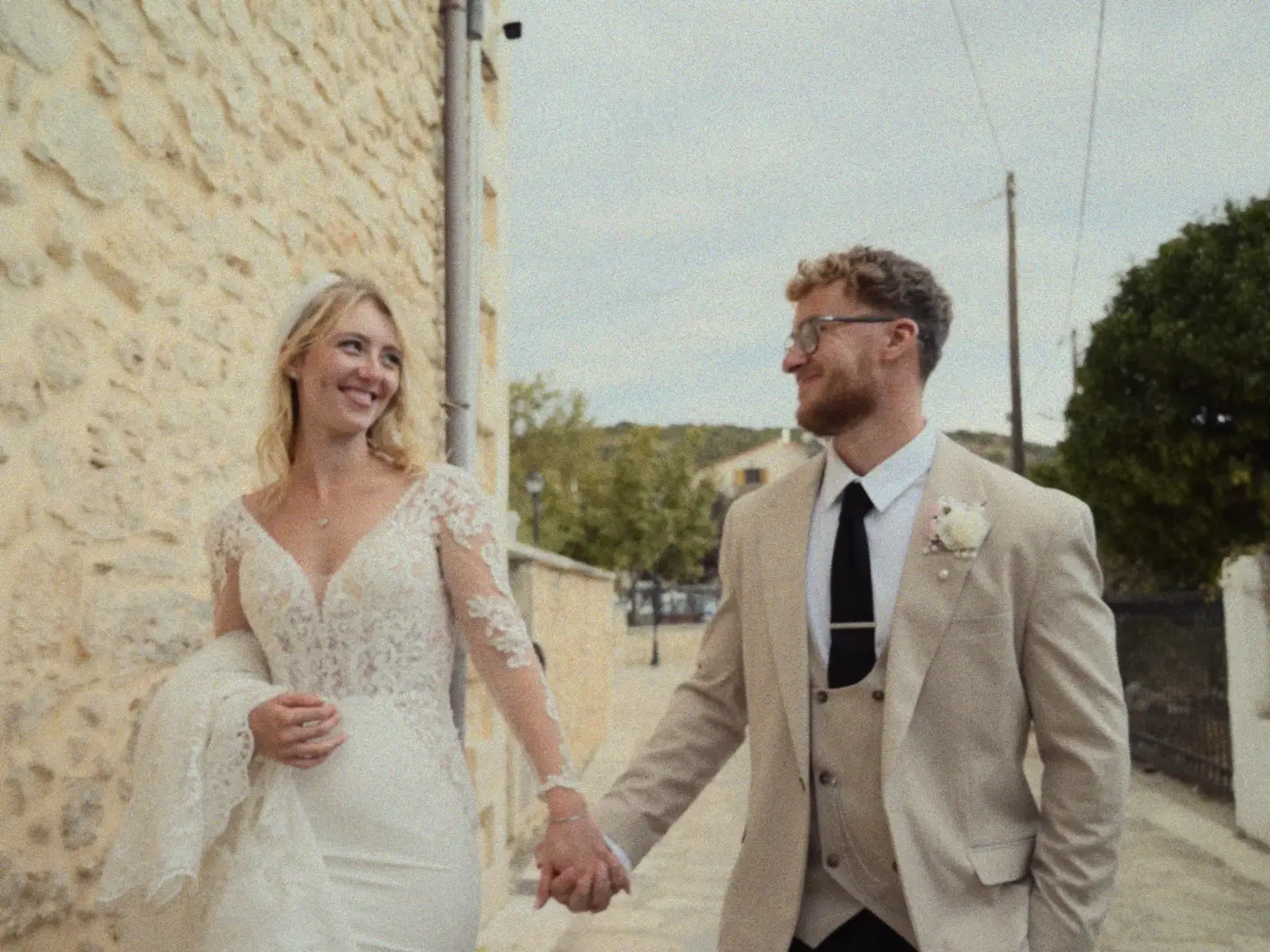
In the world of wedding cinematography, visual trends are constantly evolving. Over the past decade, one of the most significant and defining shifts has been the growing demand for the “film look.” Couples are no longer seeking overly polished, hyper-sharp, or heavily color-graded videos that feel artificial. Instead, they are gravitating toward imagery that feels organic, emotional, and timeless—qualities that evoke the aesthetic of traditional motion picture film.
The film look is not just a stylistic preference—it represents a deeper philosophy about how memories should be preserved. Film has always carried a sense of nostalgia, warmth, and authenticity. Characteristics such as subtle grain, softer contrast, natural color tones, and slightly imperfect exposure contribute to a visual language that feels human rather than mechanical. These imperfections are not flaws; they are part of what makes the final result feel alive.
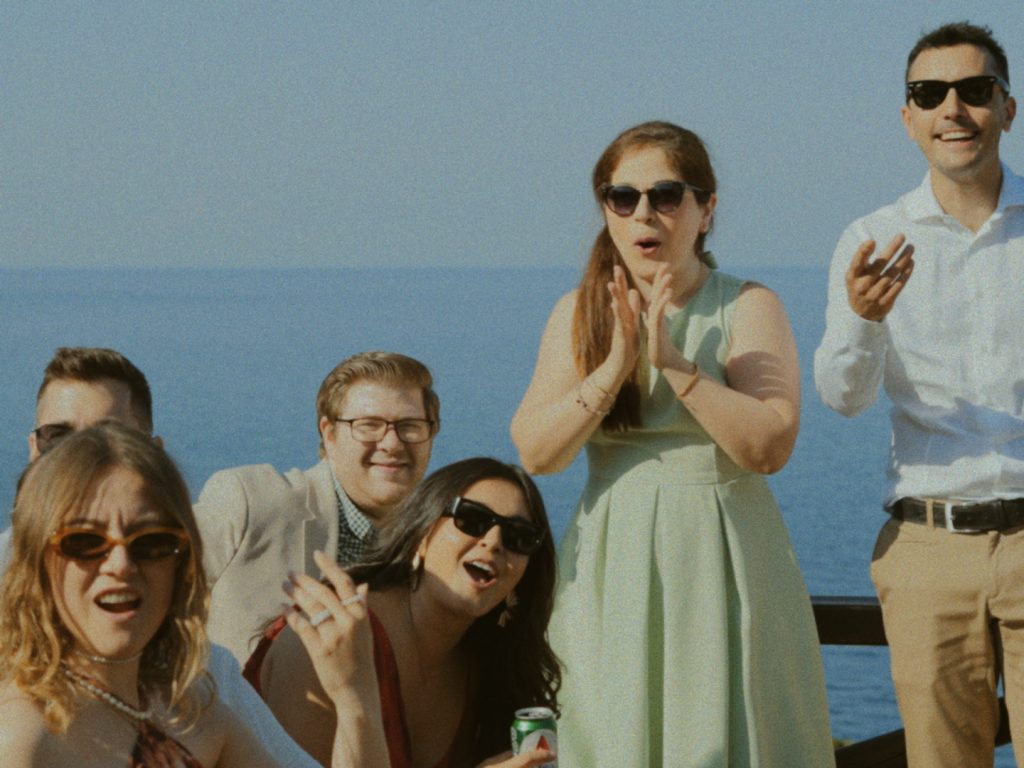
At Purelovefilms, we have embraced this approach by integrating both vintage and modern tools into our workflow. Using cameras that date back to the 1960s alongside contemporary equipment allows us to create a hybrid aesthetic that bridges generations of filmmaking. This combination is intentional. Older cameras bring a unique texture and character that digital systems often cannot replicate, while modern technology ensures reliability, flexibility, and precision in capturing critical moments.
What makes the film look especially relevant in today’s wedding industry is its ability to stand the test of time. Trends in color grading, editing styles, and visual effects come and go, but the emotional impact of a filmic image remains consistent. Couples who revisit their wedding films years later often find that the film look has aged gracefully, unlike overly stylized digital treatments that may feel dated over time.
Another key factor driving this trend is the increasing influence of cinema and visual storytelling in everyday life. With streaming platforms and high-quality content more accessible than ever, couples are more visually aware and inspired. They recognize the difference between content that feels “produced” and content that feels “crafted.” The film look aligns closely with the latter, offering a more intentional and artistic representation of real events.
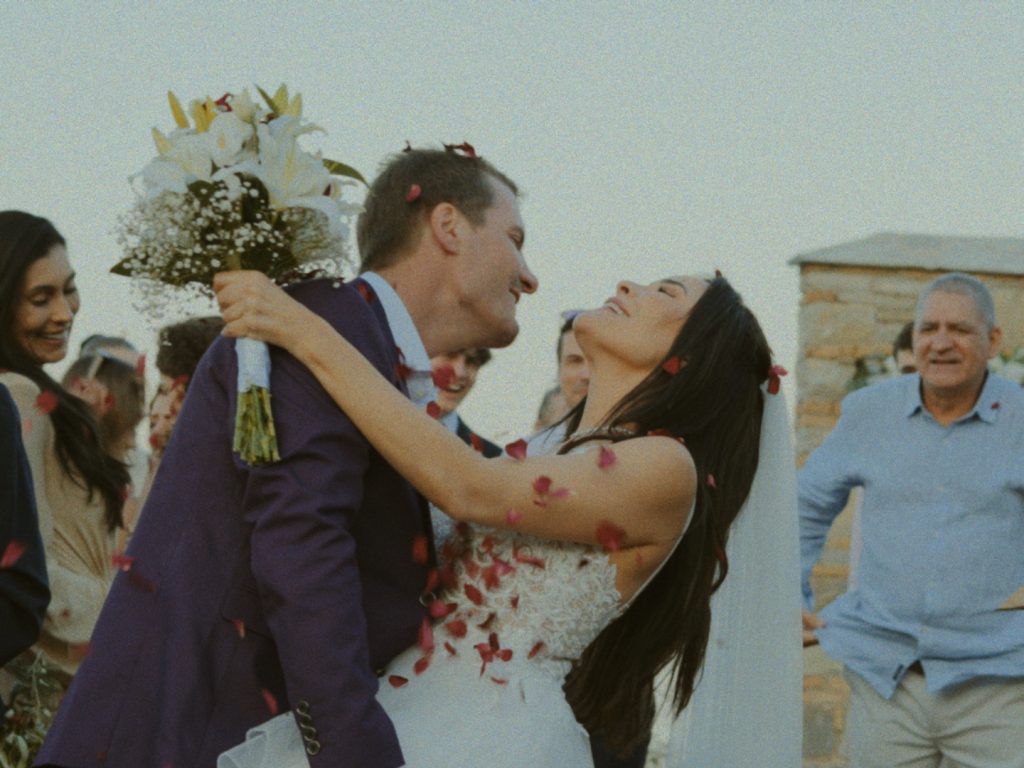
Lighting also plays a crucial role in achieving this aesthetic. Natural light, mixed lighting environments, and minimal artificial intervention help maintain authenticity. Rather than overpowering a scene, the goal is to work with the environment—enhancing what is already there instead of reshaping it completely. This approach allows the atmosphere of the wedding day to remain intact within the final film.
Equally important is the mindset behind the filmmaking process. The film look is not only about how something is shot, but how it is perceived and experienced. It encourages filmmakers to slow down, observe, and focus on moments rather than setups. This results in storytelling that feels more personal and less intrusive, where emotions unfold naturally without interruption.
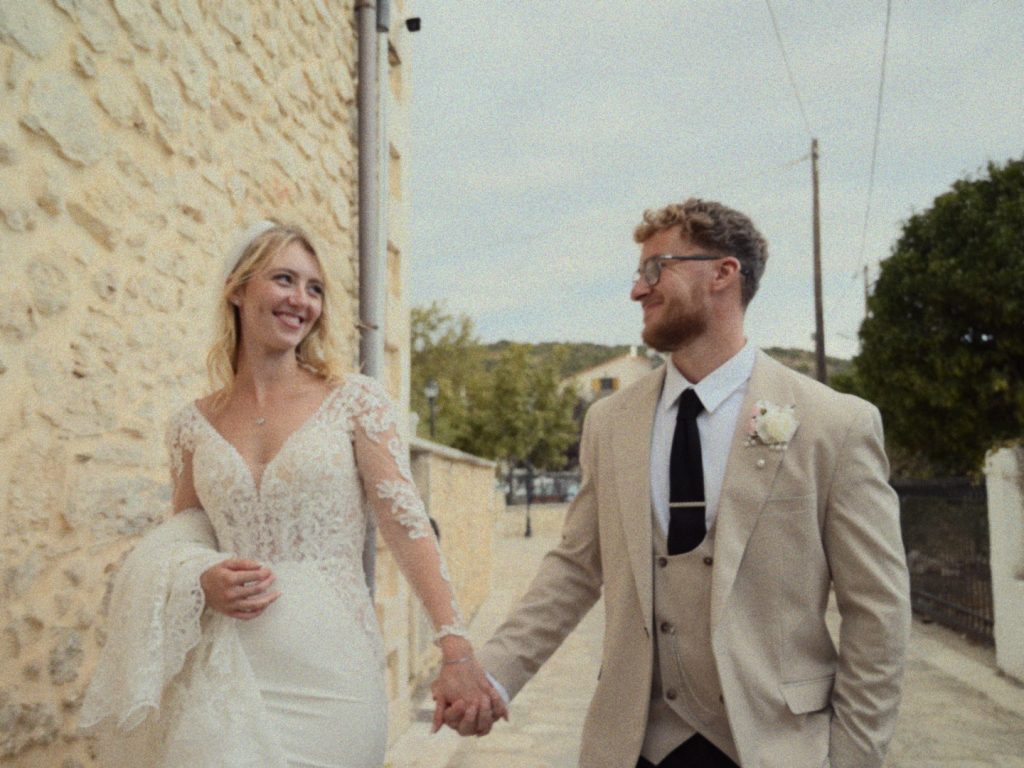
As the wedding industry continues to evolve, the film look is no longer considered a niche style—it has become a defining standard for couples seeking authenticity. It represents a balance between artistry and realism, between nostalgia and modernity. For filmmakers, it is both a creative challenge and an opportunity to deliver work that resonates on a deeper emotional level.
Ultimately, the rise of the film look reflects a broader shift in how people value memories. In a world saturated with digital content, couples are searching for something that feels real, timeless, and meaningful. The film look answers that need by transforming wedding moments into visual stories that are not only seen—but felt.